Posted on — Leave a comment

How to Choose the Right Coffee Table Size

Quick answer: Choose a coffee table about two-thirds the length of your sofa, within 1-2 inches of the sofa seat height, and leave 14-18 inches between the table and the seat edge.

A coffee table that is too small looks lost; one that is too big makes a room hard to walk through. Three measurements solve almost every case.

1. Length: about two-thirds of the sofa

Measure the sofa from arm to arm and multiply by 0.66. For an 84 inch sofa that is roughly 56 inches; anything from 48 to 60 inches will look balanced. For a sectional, size the table to the longer seating side or use two smaller tables.

2. Height: level with the seat

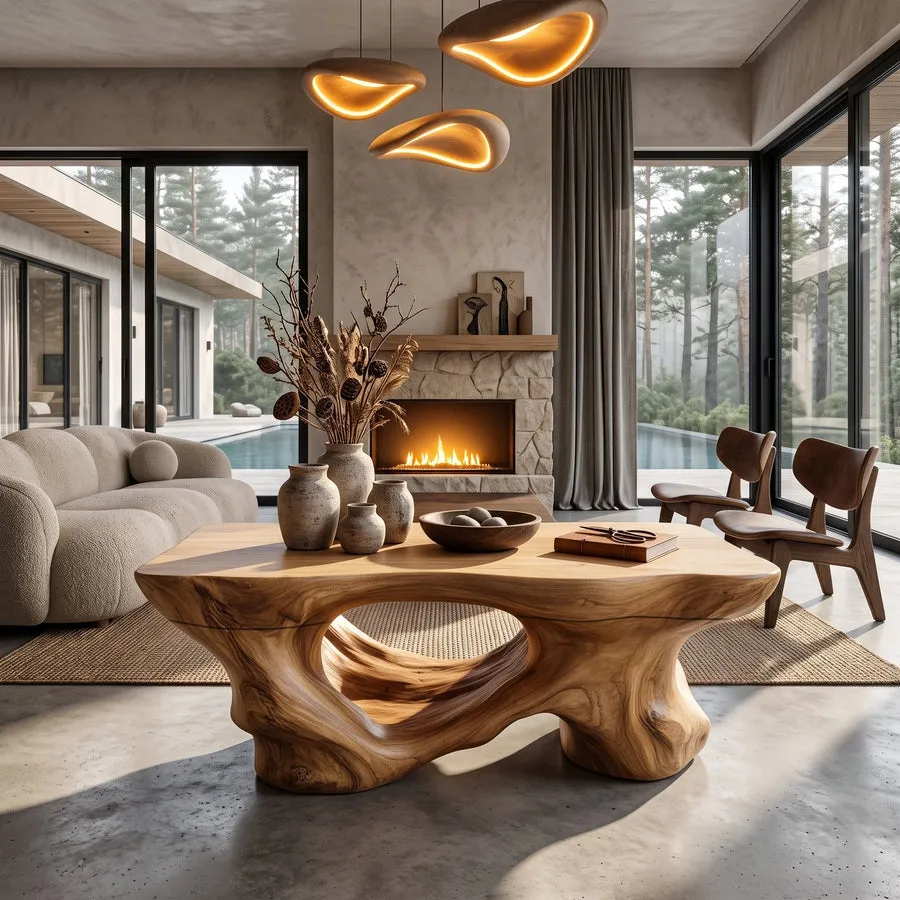
Most sofa seats sit 16-18 inches off the floor. A table at the same height or 1-2 inches lower is comfortable for drinks and books. Low, sculptural tables (12-14 inches) work in relaxed lounges with deep, low sofas.

3. Clearance: 14-18 inches to the sofa

This leaves room for legs while keeping a cup within reach. Keep at least 30 inches of walkway on the other sides of the table.

Which shape?

  • Rectangular or oval – the classic match for a long sofa.
  • Round – softens a room full of straight lines and is easier to walk around in tight spaces.
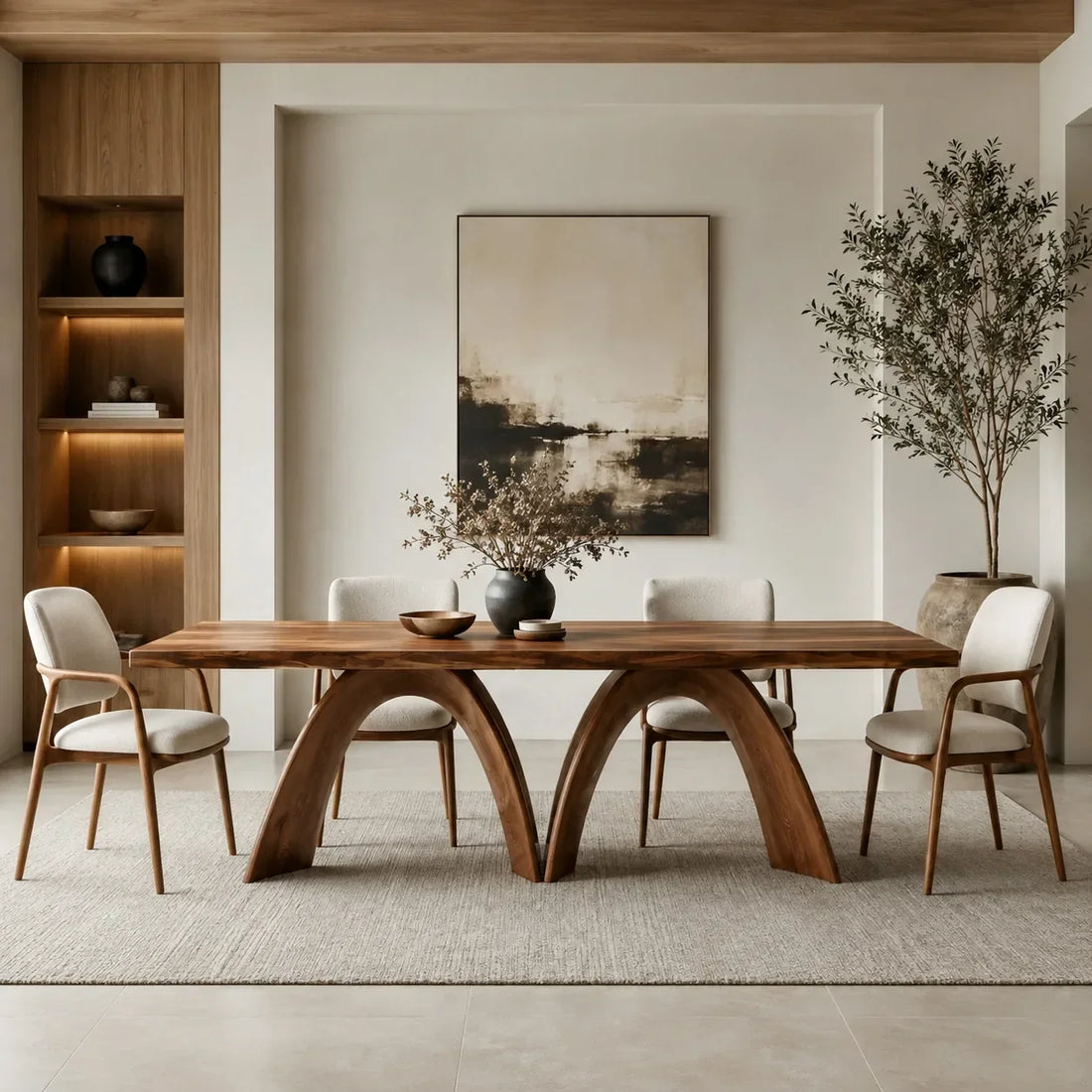
  • Organic and live-edge – every top is different, so the table becomes the focal point of the room.
  • Two nesting tables – flexible for small apartments; pull one out when guests arrive.

Quick reference

Sofa length Coffee table length
72 in 42-50 in
84 in 50-58 in
96 in 58-66 in

Solid wood: what to check

With solid wood, look at the finish (oiled finishes feel natural and are easy to refresh; lacquer resists water rings better), the weight (a heavy base is more stable) and whether the top ships separately for assembly.

Browse our coffee, dining and side tables – most come in several sizes so you can match the numbers above. Not sure? Send us your sofa size and we will suggest one.
Posted on — Leave a comment

Live Edge vs. Sculptural Wood Furniture: Which Style Fits Your Home?

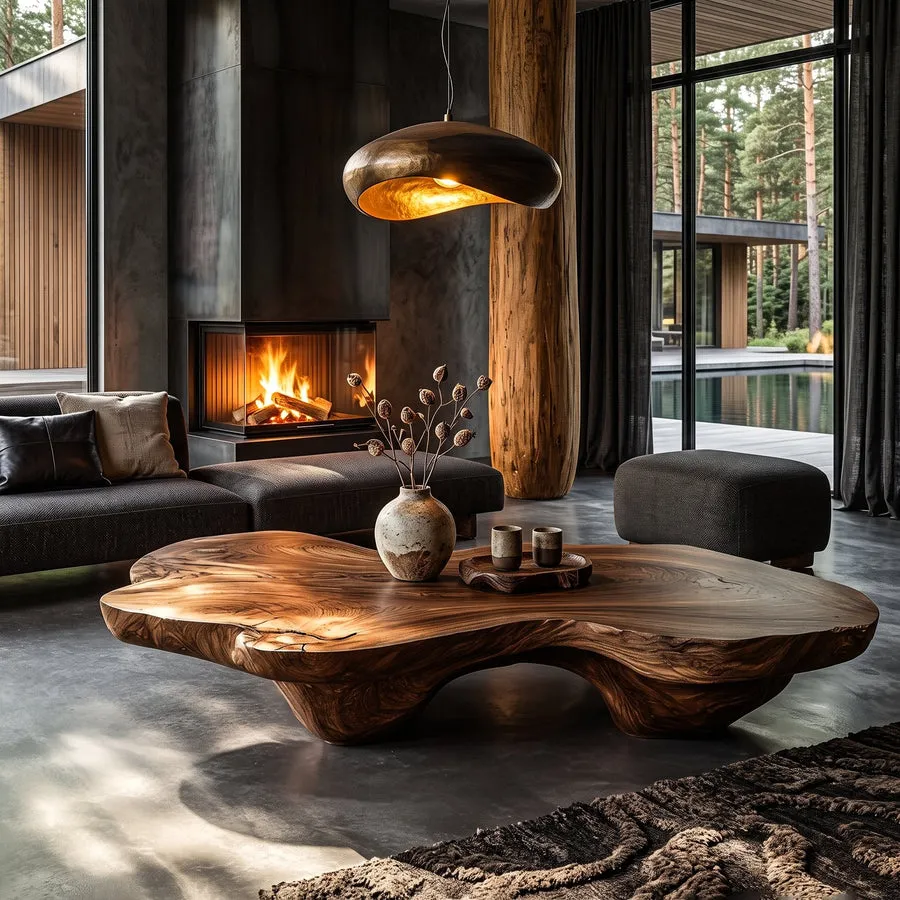
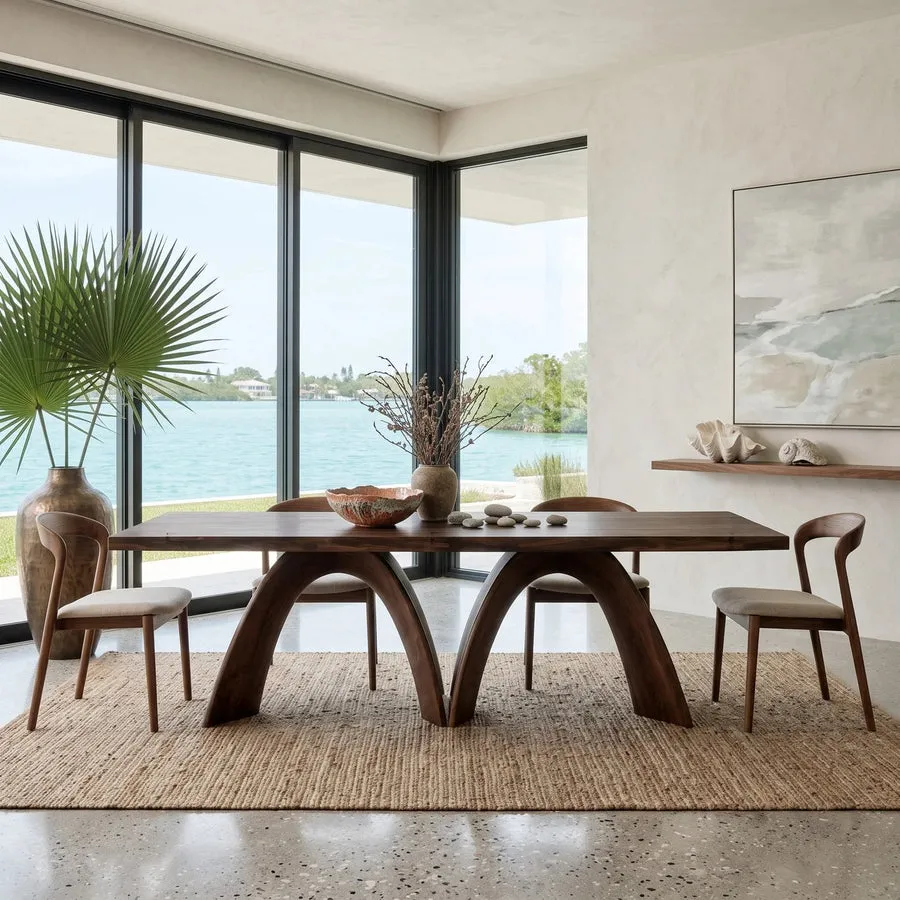
Quick answer: Live-edge furniture keeps the natural outer edge of the board, so each piece shows the tree’s original shape. Sculptural furniture is carved into flowing, designed forms. Live edge suits rustic, farmhouse and organic-modern rooms; sculptural pieces suit modern and minimalist spaces where one statement piece leads.

Both styles celebrate solid wood, but they do it in opposite ways – one lets nature lead, the other lets the carver lead.

What is live-edge furniture?

A live-edge slab is cut so that one or both long edges follow the natural contour of the trunk. Knots, cracks stabilized with resin and colour changes in the grain are part of the look. Because no two slabs are alike, no two tables are either.

What is sculptural wood furniture?

Sculptural pieces are shaped rather than simply cut: wave-like bases, rounded loops, tree-root forms and carved relief. The wood still shows its grain, but the silhouette is designed and repeatable, so the piece you order looks like the photo.

How to choose

Live edge Sculptural
Look Raw, natural, rustic Flowing, artistic, modern
Best rooms Farmhouse, cabin, organic-modern Modern, minimalist, Japandi
Uniqueness Every slab different Consistent design, natural grain
Pairs with Black metal, linen, stone Neutral walls, boucle, plaster

Mixing the two

Use one style as the hero and repeat the wood tone elsewhere: a sculptural console in the entry and a live-edge shelf above it, both in walnut, read as one design. Avoid three or more statement pieces in the same sight line.

See the difference in our consoles, tables and shelves.

Posted on — Leave a comment

How to Care for Solid Wood Furniture: A Season-by-Season Guide

Quick answer: Dust solid wood with a soft dry cloth, wipe spills immediately, keep it away from direct heat and strong sun, and re-oil oiled finishes once or twice a year. Keep indoor humidity around 35-55% to limit movement and cracking.

Solid wood keeps moving with the seasons. A few habits keep it looking good for decades.

Every week

  • Dust with a soft, dry microfiber cloth, following the grain.
  • Use coasters and placemats; heat and moisture cause most marks.
  • Wipe spills right away with a slightly damp cloth, then dry.

Every few months

  • Clean with a cloth barely dampened with water and a drop of mild soap; dry immediately.
  • Avoid silicone polishes and all-purpose sprays – they build up and make re-finishing harder.
  • Rotate decor so sunlight fades the surface evenly.

Once or twice a year

For oiled finishes, apply a thin coat of furniture oil or hardwax oil, leave it 10-15 minutes and buff off the excess. For lacquered finishes, a wax-free furniture cleaner is enough.

Through the seasons

Season What happens What to do
Winter heating Dry air, wood shrinks Use a humidifier; keep pieces away from radiators
Humid summer Wood swells slightly Run AC or a dehumidifier; leave drawers a little loose
Sunny rooms Colour changes over time Use sheer curtains; rotate items on the surface

Fixing small problems

  • White water ring – often moisture trapped in the finish. Lay a cotton cloth over it and warm briefly with a hair dryer on low.
  • Light scratch on oiled wood – rub a little oil into it along the grain.
  • Deep scratch or crack – contact us with a photo before trying a fix.

More answers in our FAQ, or browse the full collection.